A retaining wall should last decades not just a few seasons.
Yet across Australia, homeowners are constantly dealing with leaning walls, sagging sleepers, rotted timber, cracked concrete and costly rebuilds. In most cases, the issue isn’t just age. It’s poor design, bad drainage, low-grade materials, or shortcuts taken during installation.
If you’re considering repairing a retaining wall, this guide will walk you through what to do, what to avoid, and when it’s smarter to replace rather than patch.
Because when it comes to structural landscaping you only want to build it once.
The Do’s of Repairing Retaining Walls
1. Do Plan Thoroughly Before Starting
Before touching a shovel, assess:
- The extent of retaining wall damage
- Soil type and drainage conditions
- Wall height and load pressure
- Whether the issue is cosmetic or structural
Many people search how to fix a retaining wall that is leaning, but leaning is often a symptom not the root cause. The real issue is usually water pressure or footing failure.
If more than 20–30% of the wall is compromised, you may be looking at retainer wall replacement, not just repair.
2. Do Choose Quality Materials
One of the biggest mistakes in retaining wall repair is replacing failed materials with the same low-grade option.
For example:
- Timber walls rot especially in moist or clay-heavy soil.
- Lightweight concrete blocks can crack under pressure.
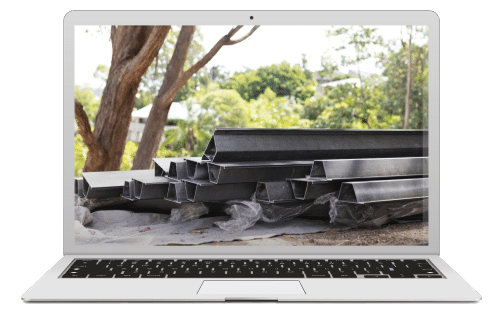
- Poor-quality steel posts corrode prematurely.
If you’re researching how to repair rotted wood retaining walls, it’s worth asking whether repair is even worthwhile. Timber retaining walls in Australian conditions often last 10–20 years at best.
Upgrading to reinforced concrete or composite sleeper systems dramatically extends lifespan often up to 100 years.
Short-term patch jobs lead to repeat costs.
3. Do Prepare the Site Properly
Many cases of retaining wall sagging occur because the base or footing has shifted.
When repairing:
- Remove unstable backfill.
- Re-compact the base.
- Replace failed drainage.
- Check post embedment depth.
Never simply “push soil back and hope for the best.”
4. Do Provide Proper Drainage
Poor drainage is responsible for most retaining wall repair jobs in Australia.
Hydrostatic pressure builds behind the wall when water has nowhere to go. Over time this leads to:
- Leaning walls
- Cracked sleepers
- Post movement
- Foundation washout
Proper retaining wall maintenance includes:
- Installing agricultural pipe (ag pipe)
- Using free-draining gravel backfill
- Adding geofabric separation
- Ensuring surface water flows away from the wall
If drainage wasn’t installed correctly the first time, repair work must address this or the wall will fail again.
5. Do Consider Reinforcement
In some cases, retainer wall reinforcement can stabilise a wall without full replacement.
Options include:
- Installing additional steel posts
- Adding tie-backs
- Replacing damaged sleepers with reinforced alternatives
- Strengthening footings
However, reinforcement only works if the base structure is sound. If the footing has failed, reinforcement alone won’t solve the issue.
6. Do Take Safety Seriously
A collapsing retaining wall can cause serious injury and property damage.
If the wall is:
- Over 1 metre high
- Supporting a driveway or structure
- Showing severe lean or cracking
Seek professional advice. The cost to fix leaning retaining wall may increase significantly if structural damage spreads.
7. Do Understand the True Repair Costs
Many homeowners start by searching:
- wall repair cost
- cost to fix leaning retaining wall
- cost remove retaining wall and grade
While small repairs may cost a few hundred dollars, structural failures often run into thousands.
In many cases, full retainer wall replacement is more cost-effective long term than repeated patch repairs.
The Don’ts of Repairing Retaining Walls
1. Don’t Ignore Soil Composition
Reactive clay soils expand when wet and shrink when dry placing enormous pressure on retaining walls.
If soil conditions were not considered in the original build, repairs must address them. Otherwise, the wall will continue shifting season after season.
2. Don’t Underestimate Environmental Factors
Australian conditions are harsh:
- Heavy rainfall
- Intense sun exposure
- Termites (for timber walls)
- Coastal salt corrosion
Material choice matters.
Repairing timber repeatedly in high-moisture zones is rarely economical. Upgrading to reinforced systems improves durability significantly.
3. Don’t Rush the Process
Quick cosmetic fixes such as:
- Filling cracks without addressing drainage
- Straightening a leaning wall without stabilising footing
- Simply trying how to push back a retaining wall
often make the problem worse.
Retaining walls fail due to pressure. That pressure must be reduced, not masked.
4. Don’t Overlook Maintenance
Ongoing retainer wall maintenance prevents expensive repairs.
Inspect annually for:
- Drainage blockages
- Soil erosion
- Cracks or bowing
- Post movement
Small issues caught early prevent major failures later.
5. Don’t Ignore Professional Advice
For walls over 1 metre, engineering advice may be required.
This is especially important if you’re considering:
- Can you build a retaining wall in front of an old one?
- Remove retaining wall and rebuild higher
- Structural reinforcement
Building in front of an old failing wall may hide the problem rather than fix it. In many cases, full removal is safer and more compliant.
6. Don’t Automatically Repair Timber Walls
If you’re researching how to repair rotted wood retaining walls, consider lifespan.
Timber retaining walls typically last:
- 10–15 years in high-moisture environments
- 15–20 years in well-drained areas
Concrete and composite systems can last 50–100 years.
When weighing wall repair cost versus replacement, long-term durability should guide your decision.
When Is It Time for Full Retainer Wall Replacement?
Replacement is often the better option when:
- The wall is leaning significantly
- Posts have shifted or lifted
- Drainage has completely failed
- More than one-third of materials are deteriorated
- The wall is over 20 years old (timber)
Attempting to repeatedly repair structural failure can exceed the cost of installing a modern reinforced system.
Why Material Choice Matters in the Long Run
Retaining walls aren’t aesthetic features, they’re structural systems holding back tonnes of soil.
Concrete and reinforced composite sleeper systems provide:
- Superior strength
- Long-term durability
- Resistance to rot and termites
- Lower lifetime cost
Traditional concrete sleepers can weigh up to 80kg each, making installation labour-intensive.
Modern composite systems like SuperSleeper are significantly lighter (around 5.5kg per sleeper) while maintaining strength and durability. This reduces labour requirements and simplifies both installation and replacement projects.
When calculating the cost to fix the leaning retaining wall, consider not just today’s expense but how long the solution will last.
Repairing retaining wall damage correctly requires more than patching visible issues. It requires understanding soil pressure, drainage, structural load and material lifespan.
Cheap repairs often become expensive rebuilds.
If you want a retaining wall that lasts decades not just until the next heavy rainfall upgrading to reinforced concrete or composite sleeper systems is the smarter long-term investment.
Don’t build it twice. Browse our range of reinforced concrete sleepers and heavy-duty steel at SuperSleeper today.